I don’t like flip screens on cameras. I loved almost everything about the Nikon ZF except the flip screen. I am a photographer not a videographer, so my view may not apply to people who shoot video. If you shoot a vlog or work on a tripod facing clients, a flip screen is practical. My use is street first so tilt wins for me. Flip screens also cause hindrance when using an L Bracket. Most landscape photographers these days prefer using an L Bracket and would probably know what I am talking about.
On the Z9 I stayed because of the tilt screen. For street work the speed and ease of a tilt screen matter more than the video flexibility of a flip screen. When you are fiddling with a side flip, the moment can pass. A simple tilt keeps the camera ready and discreet.
Why tilt helps on the street
- Quick waist level framing without turning the camera sideways.
- Less attention from people because the camera stays low.
- Fewer moving parts in your hand, so you shoot faster.
- Easier to use with an L Bracket.
A Nod to Waist Level Viewfinders
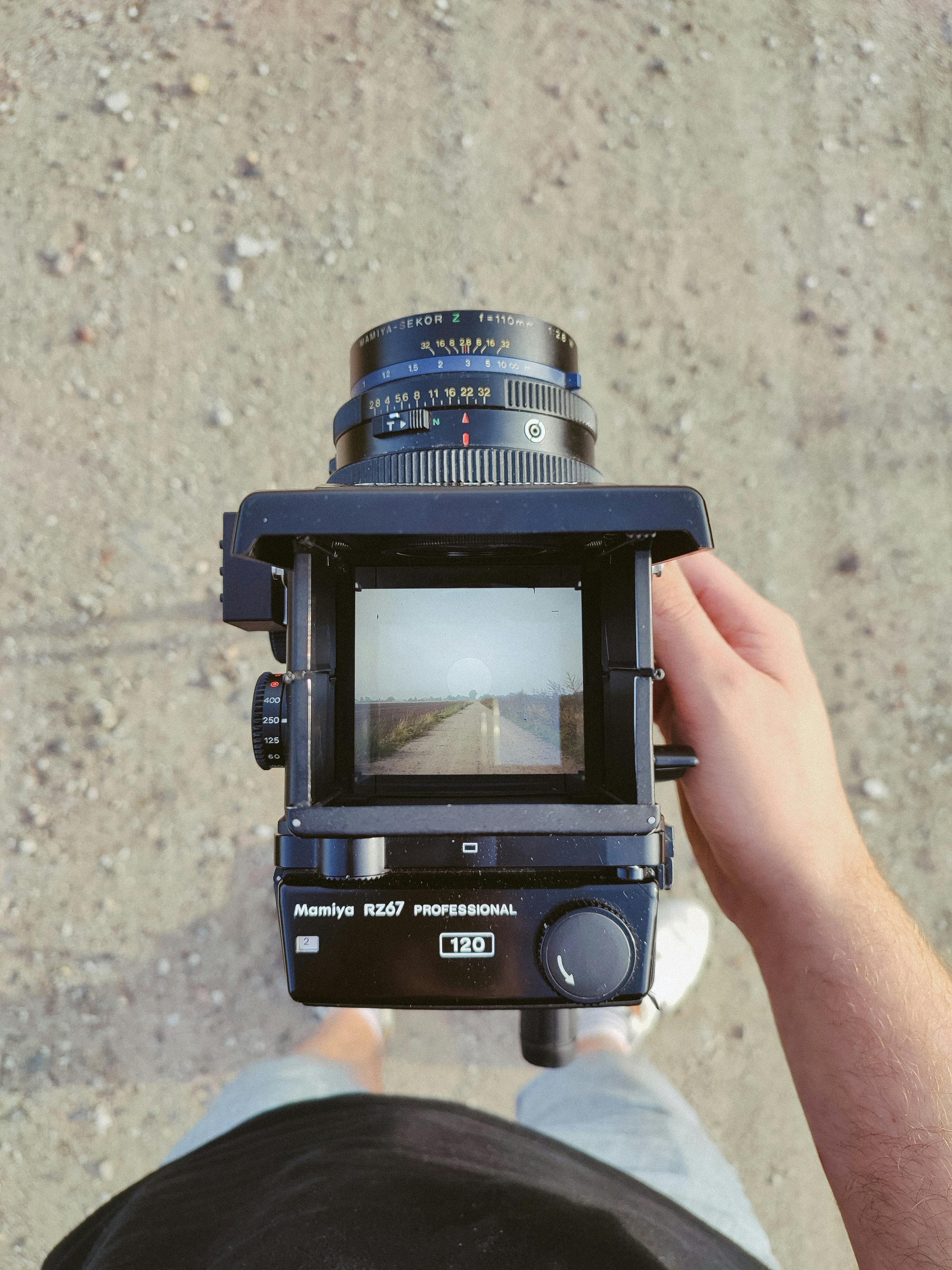
This is not a new idea. Nikon F2 bodies could swap to a waist level finder and medium-format cameras like the Mamiya RZ 67s were designed around that top view. Looking down into a finder keeps you connected to the scene and out of the way.
Nikon needs a smaller body with a modern tilt solution. Their recent models (Z6III and Z5ii) both went with flips screens probably targeting the hybrid shooter. Sony however solved this very well on the A7R V with a 4-axis multi-angle screen that acts like a proper tilt for stills, but can also swing out when needed. That gives the best of both worlds. I am hoping more camera manufacturers will follow Sony’s design in future.
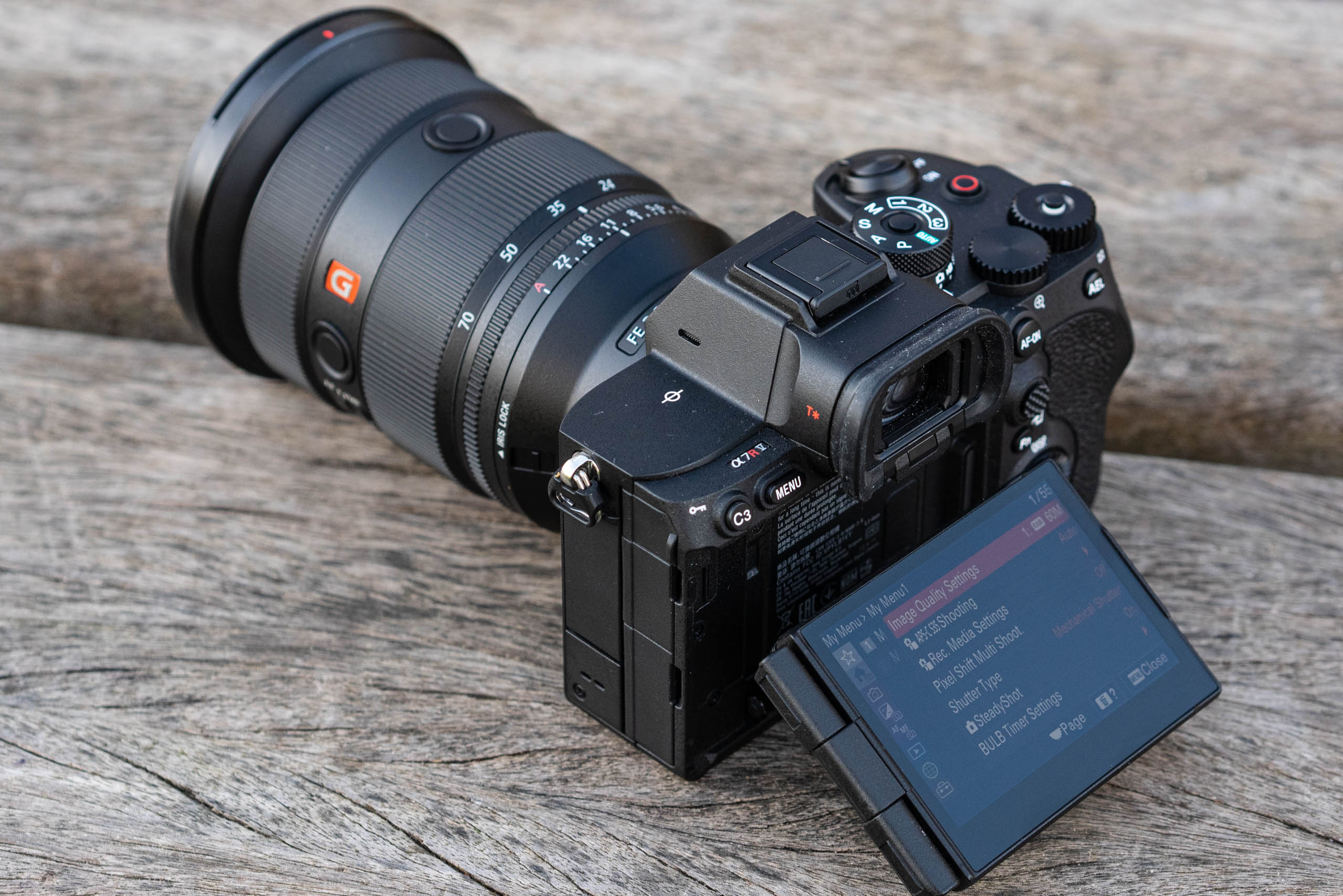
Sony A7R V’s Tilt+ Flip Screen