I am learning. I look at many photographers and keep going back to those who shape their pictures with light and shadow. That is the craft I want to understand. On the street I try to find a small patch of light and wait. Some days I miss it. Some days it works. Either way I learn.
-
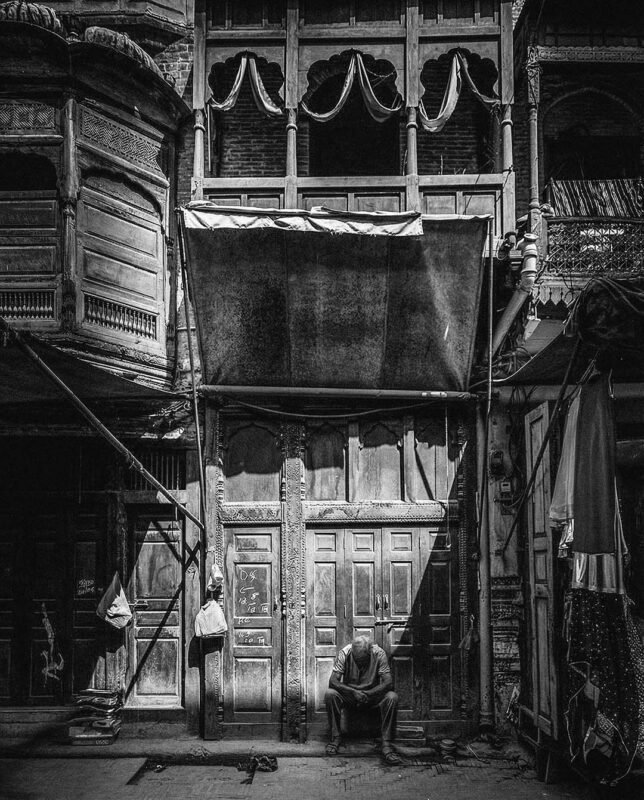
Chiselled by Light
Shadows help remove what I do not need. A thin bright shape can hold the whole frame. I meter for the highlights and let the rest fall quiet.
-
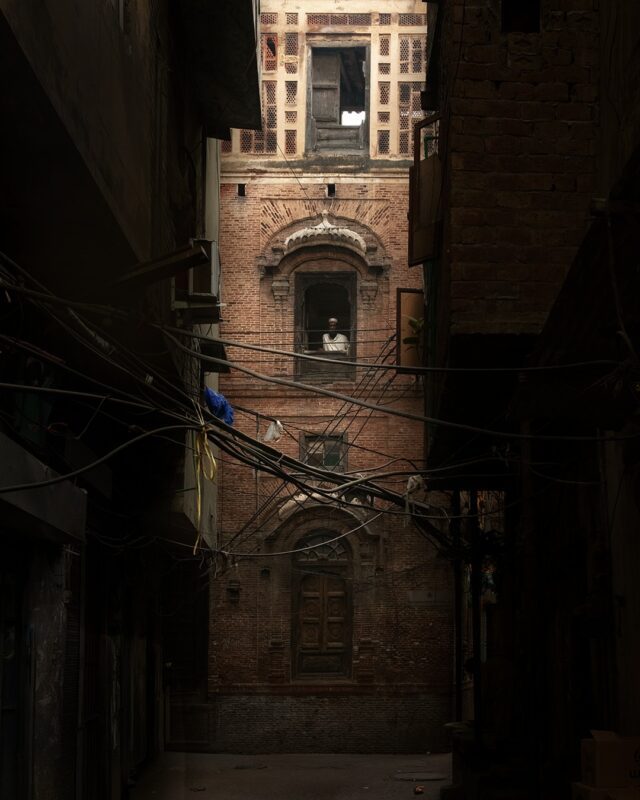
Man in the window
-
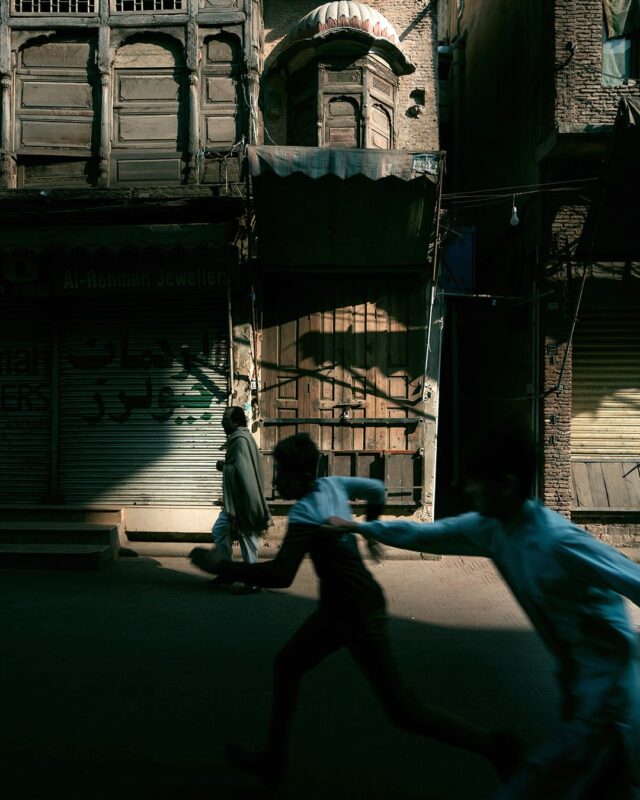
Shadows and Life
-
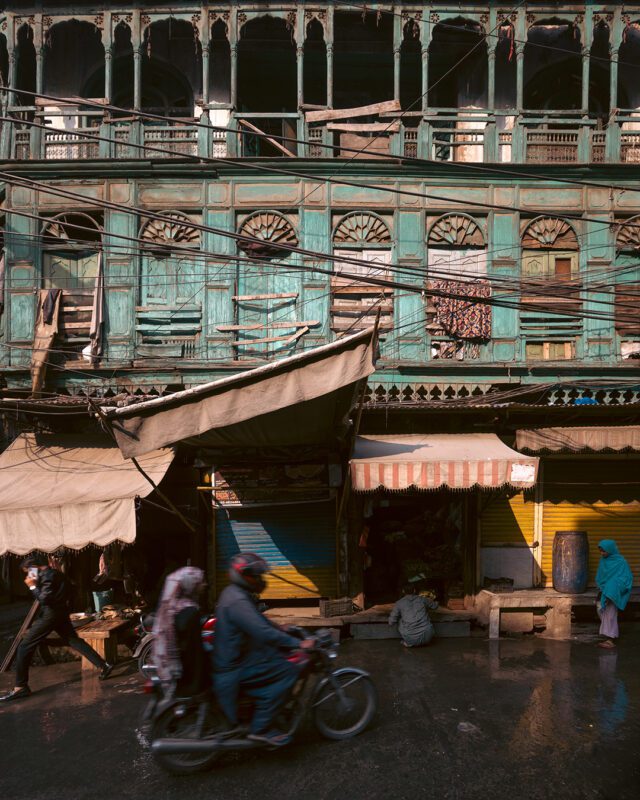
Light, colour and life
-
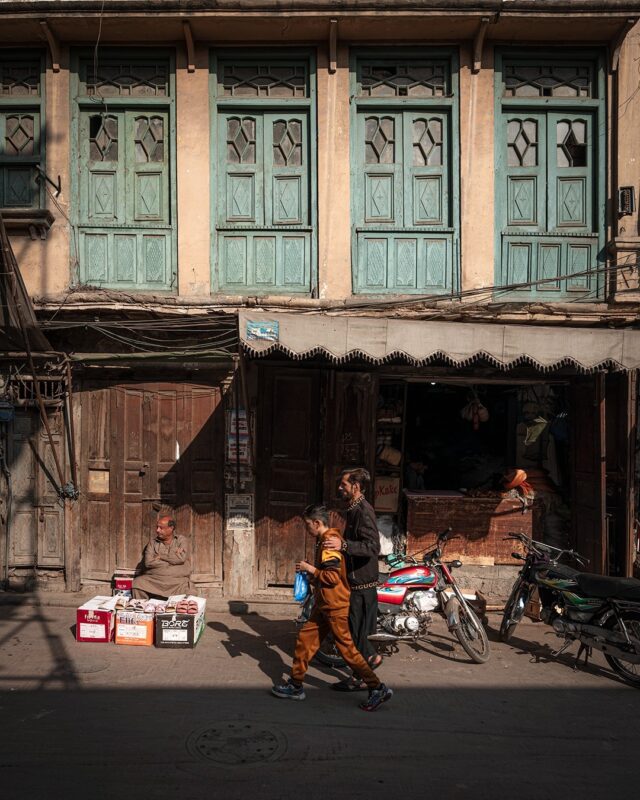
Winter Sun
How I expose
– I meter for the highlights and let the rest fall quiet.
– Typical starting point: f/8–f/11, Auto-ISO, −1 to −2 EV, fast enough shutter to freeze the moment.
– If the patch is very bright, I underexpose more and keep the edges crisp.
Timing & patience
This style often rewards waiting. I’ll find the light first, compose, and hold the frame until life walks into it. It’s slower, but the scene feels more honest.
Where in Lahore
Narrow streets with interrupted sunlight mostly around old markets. Delhi Gate Bazaar has an amazing light on most days with texture that help the shadows read as shapes, not just darkness.
Common mistakes I make (and try to avoid)
– Chasing subjects instead of waiting for them to enter the light.
– Keeping too much background detail. Shadows should simplify.
– Overprocessing contrast until the light looks artificial.
Learning from others
Many photographers have built their work on this dance of light and shadow.
I think of Fan Ho for the way he lets light carve space in tight alleys.
Trent Parke shows how darkness can carry mood and still feel alive.
Alex Webb layers light and color so that crowds become rhythm rather than noise.
Some Notes on Fan Ho
Patience is a tool: pre-compose for the light, then wait for the subject to enter the frame.
Light as the main character: backlight, smoke, and late-day sun shape atmosphere and silhouettes.
Geometry first, people second: alleys, stairs, and walls create the stage; the person completes the idea.
Expose for the brightest tone; let shadows carry mood.
Editing can refine the idea: he wasn’t afraid to crop or darkroom-shape a frame to strengthen the narrative.